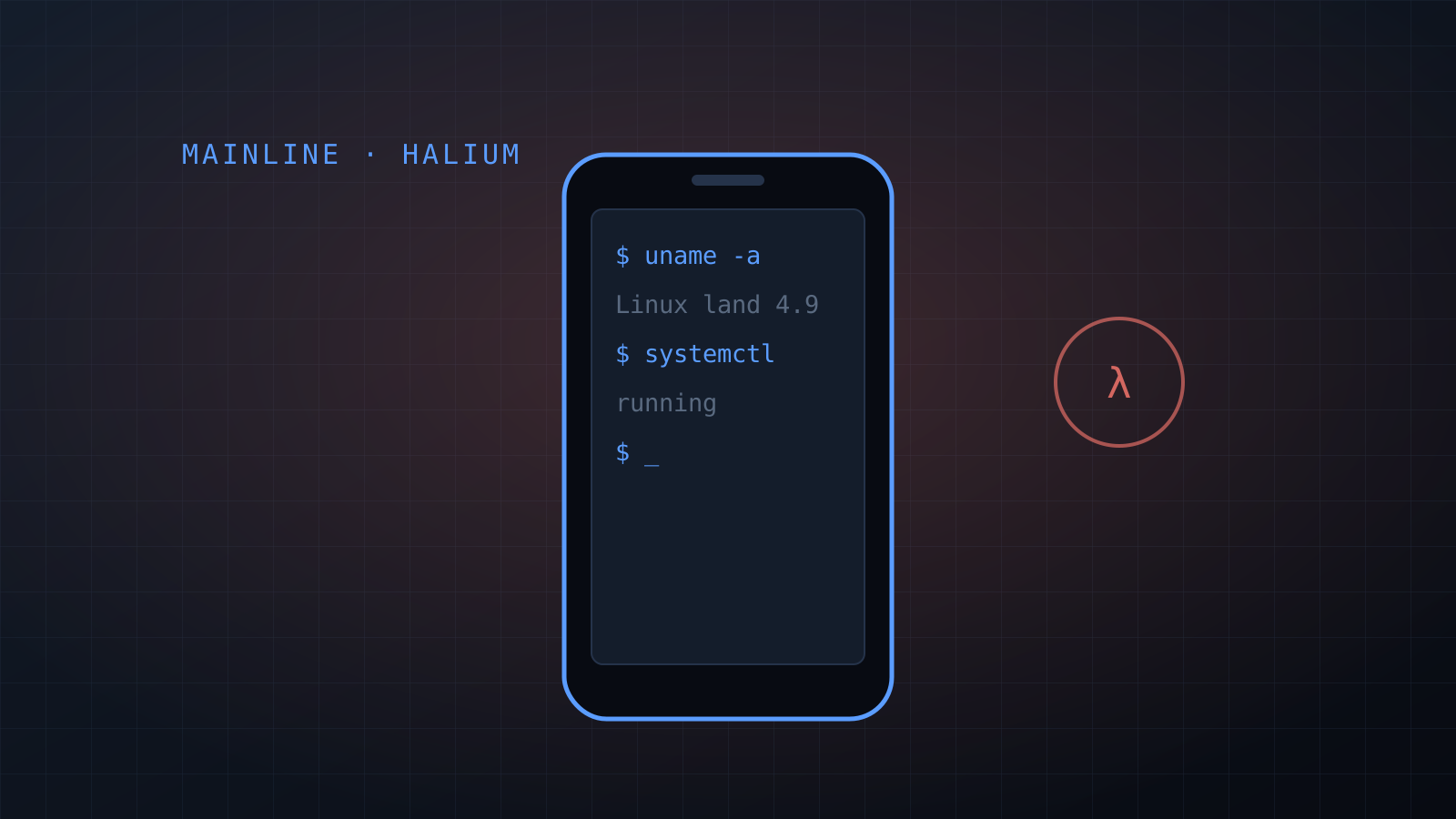
A retired smartphone is an absurdly good embedded platform: a multi-core SoC, gigabytes of RAM, a screen, a battery, Wi-Fi, Bluetooth, cellular, and a full sensor suite — for less than the cost of a dev board with a fraction of the capability. The only thing wrong with it is the operating system.
The target
Xiaomi hardware on the MSM8937 platform (land), working from the LineageOS device tree and kernel as a starting point.
The approach
Working through the Halium project's structure, which reuses the Android kernel and vendor blobs to bring up hardware while running a normal GNU/Linux userspace on top. That is the pragmatic path: the alternative — mainlining a Qualcomm SoC from scratch — is a multi-year project on its own.
The work involves:
- Building the device kernel with the config options a Linux userspace expects
- Getting the Android hardware abstraction layers reachable from the Linux side for display, sensors, and radios
- Working out what boots, what half-works, and what needs replacing
Why it matters
Once it boots, you have a full Linux system with direct access to a rich set of hardware — a real development target for anything sensor-driven or connectivity-driven, with the peripherals already attached and characterised.
Contributions
I've contributed to the Halium documentation and device configuration repositories along the way.